
Sea Freight
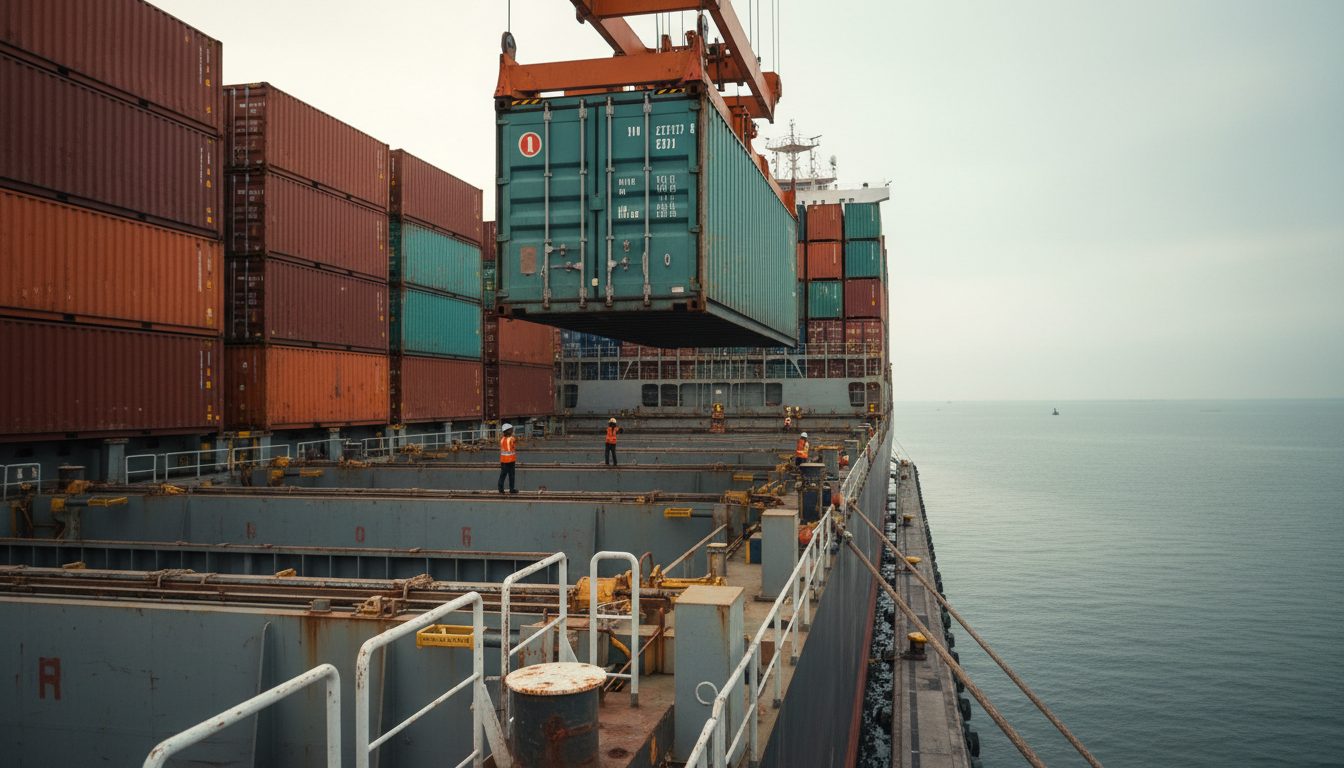
Sea freight moves the overwhelming majority of world trade by volume, and for anything that is not urgent it is almost always the cheapest way to bring cargo into or out of South Africa. GlobeFreight books it, clears it and delivers it as a single job.
At a glance
- Full container (FCL) or shared container (LCL). If your cargo will not fill a container, you share one and pay for the space you use.
- LCL is charged on a minimum of one cubic metre or one tonne, whichever is the greater.
- Rates move constantly. Carrier surcharges such as GRI, PSS and BAF change with demand and fuel, which is why a sea freight price is quoted rather than listed.
- Cargo is not insured by default. GlobeFreight carries limited liability cover only, so Goods in Transit insurance is quoted separately and recommended on every shipment.
- Sea suits weight, volume and patience. Where time is the priority, air freight is the better answer.
What sea freight is, and when it makes sense
Sea freight, also called ocean freight, is cargo carried by ship, either coastally on domestic routes or internationally as imports and exports. It is the default mode for heavy, bulky or low-urgency consignments because a vessel carries volume at a cost per cubic metre that no aircraft can approach.
The trade-off is time. Sea freight is measured in weeks rather than days, and a sailing schedule is only part of the picture: port congestion, customs examination and documentation delays all sit between the vessel and your warehouse. GlobeFreight moves about 200 containers a year and handles the booking, the customs clearing and the inland leg as one job, so there is a single party accountable for the whole chain.
FCL or LCL: which one fits your shipment
This is the first question worth settling, because it changes how the cargo is packed, how it is charged and how long it takes to release at destination.
| FCL (full container) | LCL (shared container) | |
|---|---|---|
| The container | Yours alone, sealed at origin and opened at destination. | Shared with other consignments that are grouped for the voyage. |
| How it is charged | A rate for the box, whether or not you fill it. | On volume or weight, at a minimum of one cubic metre or one tonne, whichever is greater. |
| Handling | Packed once. No consolidation or deconsolidation handling. | Grouped at origin and unpacked at destination, so more handling touches. |
| Typical fit | Enough volume to justify a whole container, or cargo you do not want grouped. | Smaller consignments where paying for a full container makes no sense. |
| Loading time | The first 2 hours of loading are included in the fee. An overtime fee may apply after that. | Handled at the consolidation warehouse rather than at your premises. |
The four ways cargo moves by sea
Not everything travels in a box. The mode determines the vessel, the handling equipment and a good deal of the cost.
Containerised
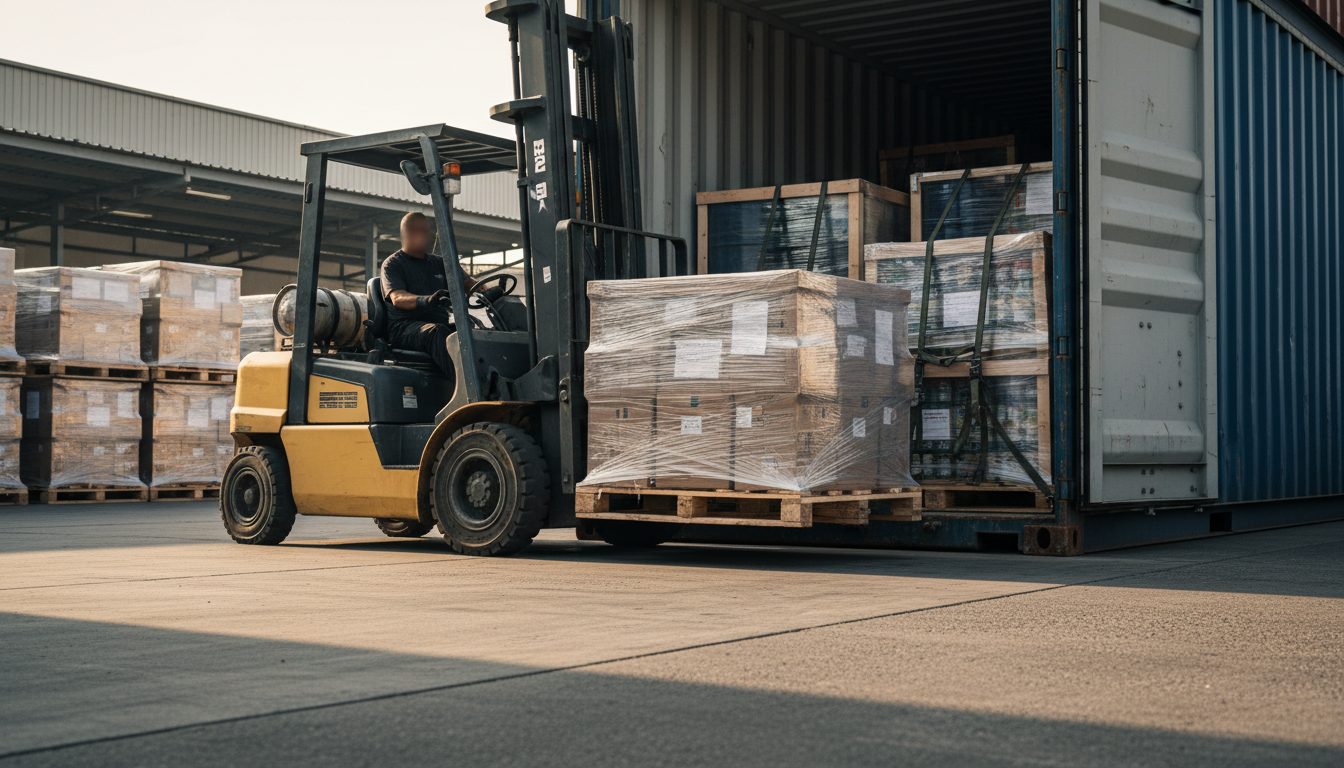
Packed and stowed in shipping containers, including refrigerated units (reefers). Containers interchange between ship, truck and rail without repacking, which is why this is the most common and most cost-effective option.
Bulk
Unpacked or loose commodities carried in the hull, such as scrap steel, oil, grain, coal and gravel. The vessels are known as bulk carriers or bulkers.
RORO
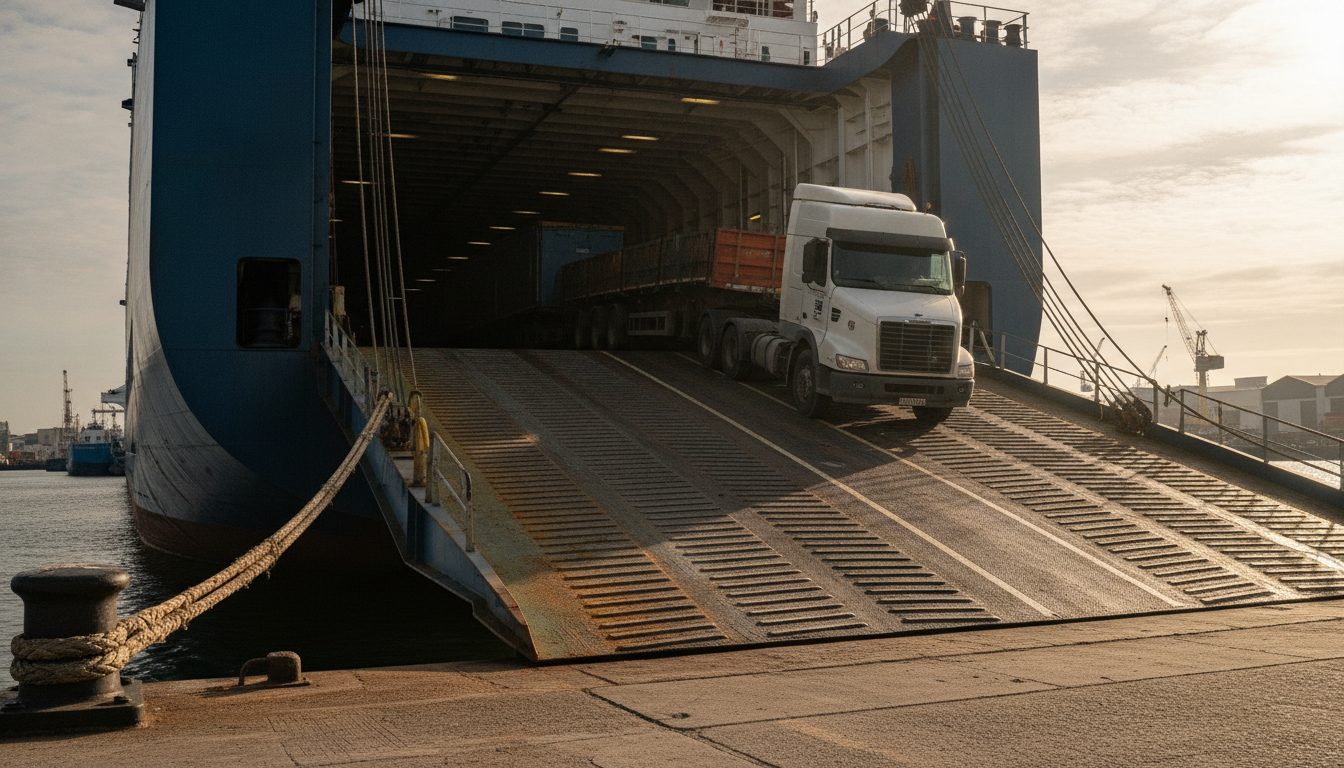
Roll-on, roll-off. Wheeled cargo such as cars, buses and trucks is driven on and off over built-in ramps, so no specialised lifting equipment is needed.
Oversized
Consignments beyond standard dimensions, such as boats, agricultural and mining machinery or cherry-pickers. Costs run higher because vessel space is used less efficiently and cranage may be required.
What actually drives a sea freight rate
Sea freight is quoted rather than listed because the inputs move week to week. Carriers price against demand, and several named surcharges sit on top of the base rate.
There are several factors involved in the volatility of shipping rates, the most important being market demand.
GlobeFreight, Freight, customs and documents FAQs
The surcharges worth knowing
- GRI, the General Rate Increase. Carriers raise rates in peak periods when vessel space is scarce.
- PSS, the Peak Season Surcharge. Applied on top of the base rate when seasonal demand spikes.
- BAF, the Bunker Adjustment Factor. A fuel surcharge that carriers move up or down as oil prices change.
What else the price turns on
- Origin and destination, and the routing available between them.
- Vessel availability and how saturated the market is.
- Port congestion and seasonal demand.
- Cargo size, weight and commodity type.
- The shipment type, whether containerised, bulk, RORO, refrigerated or oversized.
Destination charges are separate from the freight rate and commonly include warehouse fees, customs clearance charges, duty and tax, and door delivery. If cargo is selected for a customs examination, expect additional charges and delay.
Sea freight compared with air freight
The honest answer is that they solve different problems. Sea wins on cost per unit of volume; air wins on speed and on cargo that cannot sit in a container for weeks.
| Sea freight | Air freight | |
|---|---|---|
| Best for | Heavy, bulky or high-volume cargo where time is not the priority. | Urgent, high-value or perishable cargo. |
| Charged on | Volume or weight, minimum one cubic metre or one tonne. | Chargeable weight, where volumetric weight often exceeds actual weight. |
| Restrictions | Dangerous goods only by prior written arrangement. | Hazardous, flammable, chemical, battery, live animal and perishable cargo is broadly excluded. |
| Trade terms | FAS, FOB, CFR and CIF apply to sea and inland waterway only, and not to containerised multimodal moves. | Any-mode terms such as FCA, CPT and CIP apply. |
A point that catches exporters out: CFR and CIF are maritime terms and are not intended for containerised multimodal shipments. CIP is the container equivalent of CIF. If a supplier has quoted you on terms you are unsure of, the glossary of trade terms sets out who arranges carriage and where risk passes for each one.
Before you ship: documents, insurance and the two-hour rule
Get the documents right and early
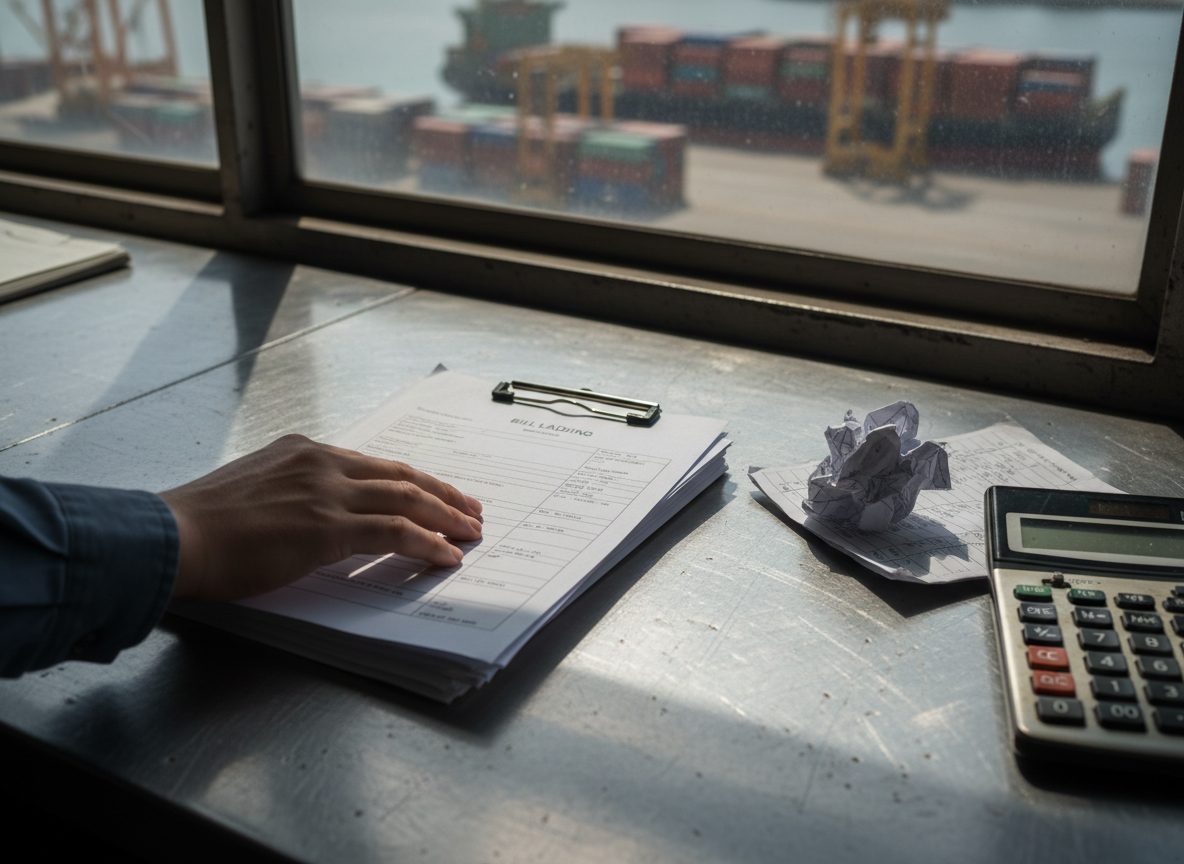
The single most common cause of delay is paperwork. Packing lists, the commercial invoice and the original bill of lading should be prepared correctly and reach the consignee, through the banks where applicable, at least 7 days before the cargo arrives. Cargo cannot normally be released without the original bill of lading, and the only alternative is written authorisation to release from the supplier to the shipping agent at origin.
Insure the cargo separately
GlobeFreight has limited liability insurance in place, but that does not include replacement of goods lost, stolen or destroyed.
GlobeFreight, Freight, customs and documents FAQs
That distinction matters more than any other line on this page. Liability under the international conventions that govern carriage is capped, for example at 19 special drawing rights per kilogram for carriage by air, so it is not a substitute for insuring the cargo itself. Goods in Transit cover is quoted separately and is recommended on every shipment. Read the policy wording, note any excess, and do not under-insure. There is more detail on how GIT insurance works.
Pack for the voyage
- Load the container inside 2 hours where you can. The first 2 hours are included; an overtime fee may follow.
- Prepare contents for extremes. Containers swing through wide temperature and humidity ranges at sea.
- Declare irregular cargo carefully. Plants, produce and other organic goods are treated differently by origin and destination, and undeclared organic cargo can have a container quarantined and charged daily holding fees.
- Check restrictions first. Prohibited items are not accepted, and dangerous goods are carried only by prior written arrangement, with a surcharge, under the standard trading conditions.
Sea freight questions we are asked most
What happens if my consignment does not fill a whole container?
It travels as LCL. Smaller consignments are grouped with other shipments so that a container is filled collectively, and the space and cost are shared for the voyage. LCL is charged at a minimum of one cubic metre or one tonne, whichever is the greater.
Why do sea freight rates change so much?
Market demand is the largest factor, and it is seasonal. In peak periods carriers raise prices through the General Rate Increase (GRI) and the Peak Season Surcharge (PSS), because vessel space is scarce. Fuel is the other significant input, applied as the Bunker Adjustment Factor (BAF), which carriers move as oil prices rise or fall.
How long does sea freight take?
It depends on the route, the service and the vessel schedule, so a transit time is confirmed when the shipment is booked rather than quoted in advance. Note that quoted door-to-door times exclude weekends, public holidays, and delays caused by customs or other events outside our control.
Is my cargo insured?
Not automatically. GlobeFreight carries limited liability insurance, which does not cover replacement of goods that are lost, stolen or destroyed, and carrier liability under the governing conventions is capped by weight. For actual cover you need Goods in Transit insurance, which we recommend on all shipments and will quote for before shipping.
Can I get payment terms?
Credit terms can be granted to approved corporate customers once a standard credit process has been completed and approved beforehand. All other shipments are on a cash-on-delivery basis.
Can you clear a shipment another forwarder moved?
Yes. GlobeFreight is a specialist freight forwarder and clearing agent brokerage with direct access to SARS customs clearance, and undertakes clearing for shipments where it was not the freight forwarder.
Tell us what you are shipping
Send the route, the cargo and the terms your supplier has offered, and we will come back to you with a sea freight price.